

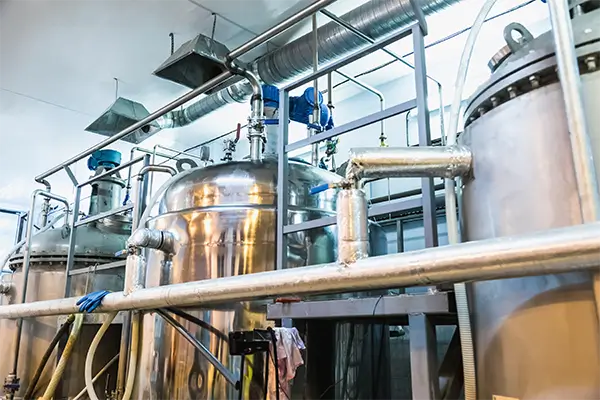
Food processing plant feasibility studies are a critical first step in scoping a food plant build or addition. A feasibility study should be customized to your outcome and project size. Your project will determine the cost of that feasibility study.
Many variables can influence this. For example, facility size changes the number. So does location, since remote sites add travel and data-acquisition costs. So does the food itself – different products require different processing technologies and compliance measures. Those are only a few of the variables, and together they are why nobody can hand you a one-size-fits-all figure.
At DeJong Consulting, we understand the need to control costs during a project. Here is how we approach one, and what pushes the price up or down.
The whole point of the study is to keep you from spending money you don’t need to spend, and understanding how it works is the first step toward making the right call for your business or team.
What Is a Food Processing Plant Feasibility Study?
At DeJong Operations Management & Consulting, we look at feasibility studies a little differently than you might expect. We primarily do an engineering and operations evaluation.
That means looking closely at your existing operation or your proposed project and asking the right questions. One question in particular has to be answered before your project moves forward: What is the best way to achieve the product quality, production capacity, and output goals you have outlined?
Answering it starts with an honest assessment of where you stand today. That can mean taking a look at an existing food processing plant, evaluating plans for a new build, or having the conversation about whether or not you can add new products without a loss of time and money.
What comes out of it is a complete roadmap showing where you are and how to get where you want to be. Building that roadmap can mean evaluating manufacturing process flow, unit operations, production capacity, existing equipment, labor, technology requirements, raw material consumption, sanitation, food safety, and much more. It is an in-depth look at your facility.
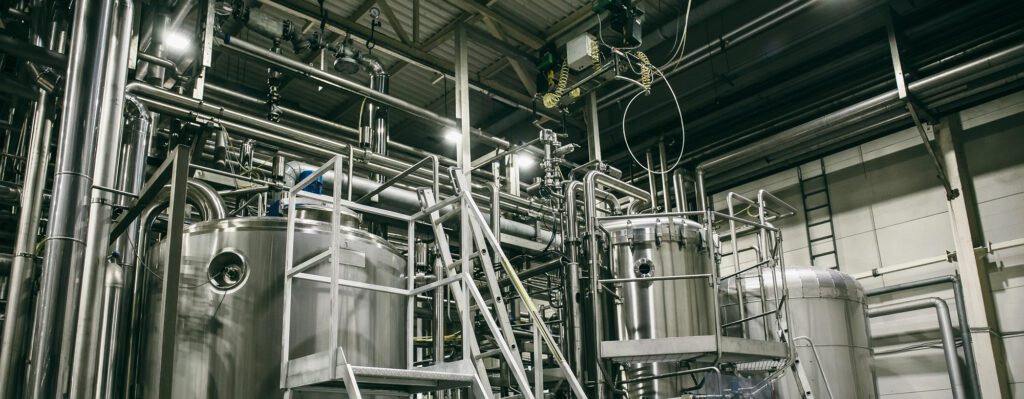
Rather than Chase Industry Trends, We Start With What You Already Have
That depth matters, because there is no sense in undervaluing the operation you already have. Don’t assume that adding a new production line rules out a simple rearrangement or modification. The reverse is true, too: owning the equipment doesn’t mean you can support the production costs that come with running it.
A feasibility study includes a financial layer alongside the engineering one, because the goal is to show you the practical application of your business plan. You might be able to add a product line without increasing your raw material requirements at all, simply by using the waste you already generate.
Findings like that don’t turn up in a once-over. Your plant setup is likely packed with hidden potential, and a feasibility study is how we uncover it and make the most of what’s already in your building.
That alone can dramatically change the cost of the project you’re planning. It also buys you the time and support you need to respond to industry trends and consumer preferences without worrying that you’re missing out or spending heavily on equipment you don’t need.
Food Safety Cannot Be Separated From Feasibility
Cost and capacity aren’t the only tests a plan has to pass. Food safety belongs in the conversation from the very beginning, because a solution that ignores food safety, regulatory compliance, or environmental rules isn’t feasible at all, no matter how good it looks on paper.
In a food processing plant, that means assessing hygienic zones, allergen controls, cleaning access, drainage, CIP systems, temperature control, and more. A layout can hit every production target and still miss the protocols food production requires, which is why true success means balancing productivity against risk reduction.
How to Work a Feasibility Study into the Financial Business Plan
All of which brings us back to the question you came here with. The cost of a feasibility study varies quite a bit, and it comes down to two things: how much of the operation needs to be assessed, and how much engineering is involved. An evaluation focused on a single process or production line will cost less than a detailed review of an entire facility. The work is tailored to you either way; only the scope — and the number — changes.
The kind of study we provide generally starts in the five-figure range and climbs from there as complexity grows. The same logic applies at the product level: one product with straightforward packaging and processes asks far less of our team than a full portfolio does.
These are the factors that tend to move the total cost of a feasibility analysis:
- Multiple production lines
- Detailed engineering
- Preliminary plant layouts
- Complex food safety requirements
- Significant utility requirements
- Wastewater evaluation
- Plant-wide overhaul of machinery requirements
- Capital cost estimates
- Automation evaluation
- Multiple processing technologies
- New site development
The shorter that list runs for your project, the smaller the number. A good feasibility study stays focused on the decision actually in front of you, so if transportation requirements are your only sticking point, there’s no sense spending time identifying your target markets. We can have that conversation before the study so we’re all on the same page about your needs.
Spend Money Understanding the Problem Before Jumping on Investment Opportunities
Food manufacturers are used to spending hundreds of thousands, or even millions, of dollars on an investment or upgrade. The harder part is making sure the investment you’re about to make actually solves your problem. A professional plant feasibility study is how you find out, and it surfaces weak assumptions before they get expensive.
At DeJong, we combine engineering expertise with first-hand experience and deep knowledge of production, equipment, food safety, operational expenditure, and infrastructure requirements. The result is a clear set of action steps for your plant’s growth.
Sometimes those steps mean building a new plant. Other times they mean reorganizing the equipment you already have. A feasibility study is how you tell the difference before you commit, and how you know the call you’re making is the right one.