

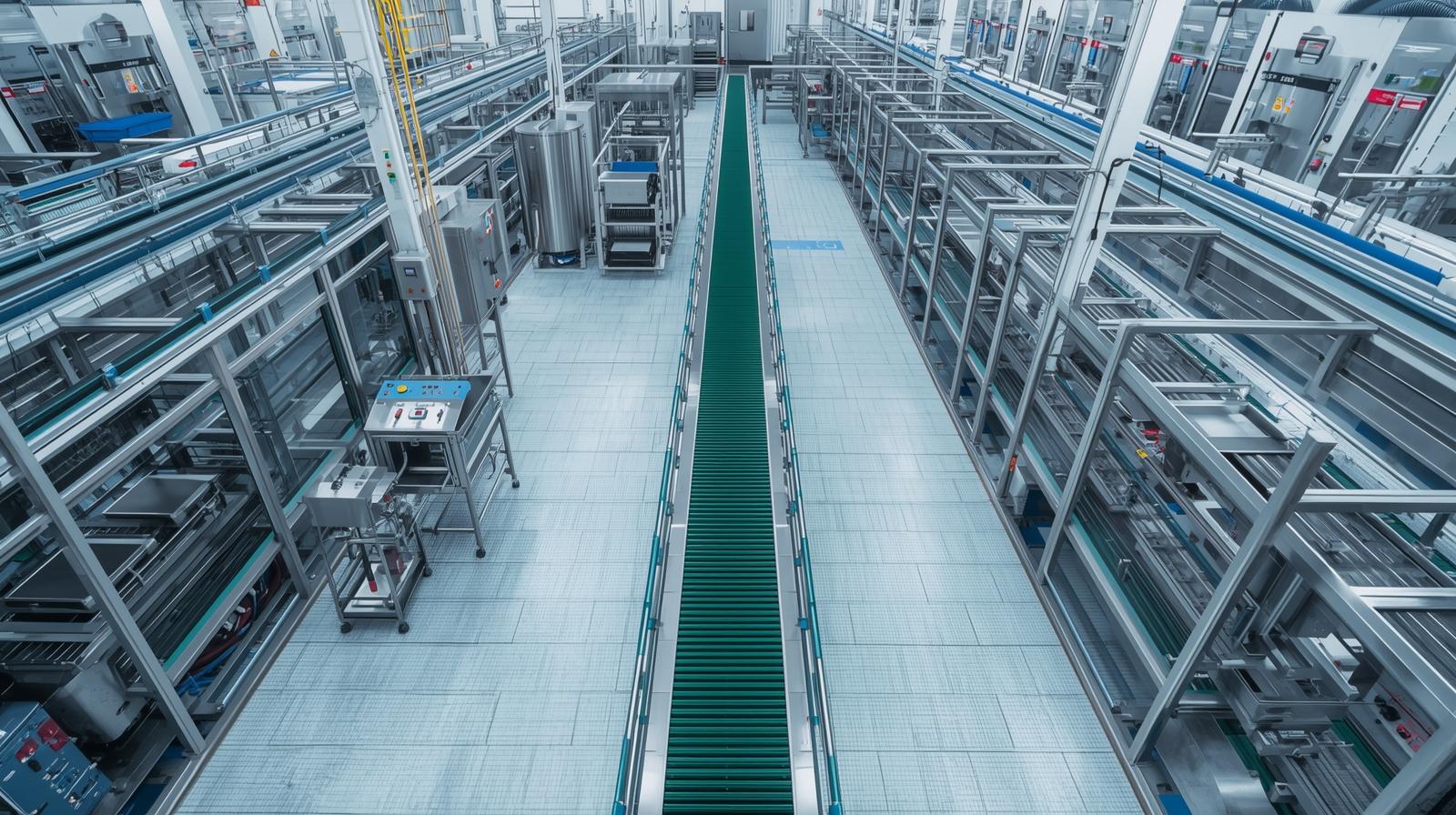
The FDA’s CGMPs give you the minimum requirements necessary to make products in settings that are sanitary and controlled. If you’re in the food manufacturing industry, you know that meeting these requirements is crucial. If you’re building a new facility, all the better, because you can plan FDA compliance into every small detail of your plant, from layout to product flow.
Here’s how we help you meet the FDA requirements.
What Does CGMP Stand For?
CGMP stands for Current Good Manufacturing Practice.
“Current” matters because manufacturers are expected to use up-to-date technologies and systems. Systems and equipment that may have been acceptable years ago may no longer be adequate under current regulatory expectations.
CGMP standards are enforced by the U.S. Food and Drug Administration (FDA) under the Federal Food, Drug, and Cosmetic Act and other relevant federal regulations. Which of these CGMP requirements apply to your plant will depend on what you’re making.
For example, the specifications for producing human food are different from those for producing pharmaceuticals. The underlying principles are the same: a consistent, sanitary process.
Why Current Good Manufacturing Practices Matter
Consumers typically can’t tell whether a product was made with the right systems simply by looking at or consuming the final product, and they shouldn’t have to.
Final products can look perfectly normal, even if something went wrong during manufacturing. Often, there is no way to know if contamination, incorrect cooking temperatures, or inadequate sanitation took place outside of certifications and trust in the manufacturer.
If you want to earn and maintain that trust with your consumers, you have to prevent these things from happening. Relying on final product testing alone would cost a lot of time and money. CGMPs control the process itself, from equipment to employees to materials, as part of a quality assurance system that prevents contamination and production errors before they ever make it into a finished product.
We encourage manufacturers to treat CGMPs as a competitive advantage. A plant that runs them well earns customer trust and holds up better under inspection.
Facility Design Is a Critical Component of CGMP Compliance
A facility’s layout can either support or weaken good manufacturing practices. The last thing you want is for it to be harder for the employees in your plant to clean, inspect, maintain, and operate the equipment that was so carefully chosen.
When possible, it’s wise to get a team together to plan the facility before it’s built or upgraded. This team will consider how materials and people should move through the space, which cuts wasted time and lowers the risk of cross-contamination.
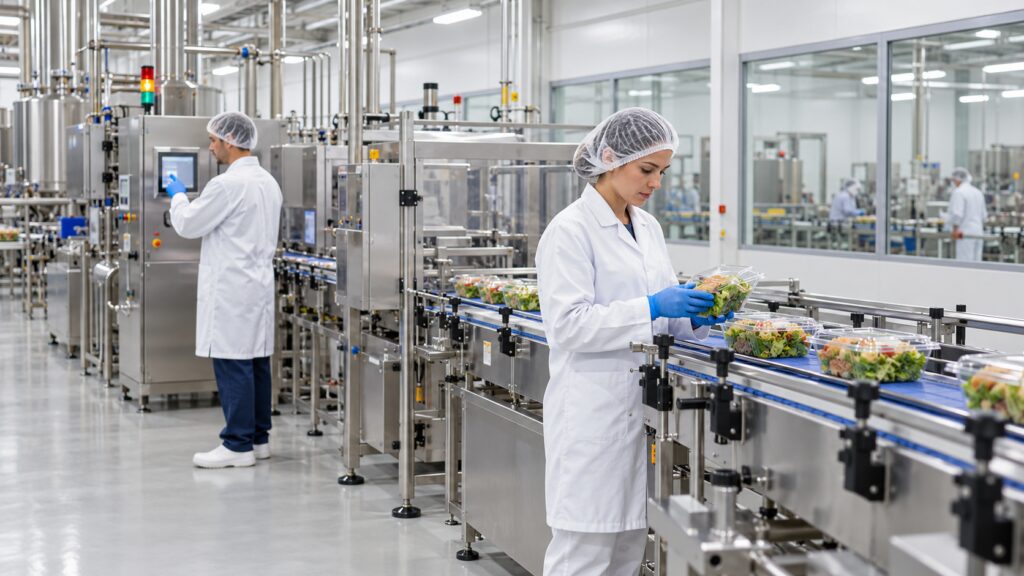
There are a lot of different things to think about when it comes to facility layout. Processing areas, receiving and storing materials, sanitation zones, high-care areas, packaging, employee traffic, waste removal and management, and much more must be part of the conversation, especially when we’re discussing food manufacturing.
Plant design determines how easily you can follow CGMPs day to day. A good layout makes compliance routine, while a poor one makes every cleaning, inspection, and changeover harder than it needs to be. A good facility design will support you in your goals to meet and exceed expectations, but a bad plant design will hold you back.
Equipment Must Be Designed, Maintained, and Controlled
The equipment in your plant is chosen because it’s right for the job and capable of consistency. That makes equipment maintenance a crucial part of the quality control system. A worn valve, damaged seal, malfunctioning sensor, or impossible-to-reach area could quickly undermine all your efforts to meet the CGMP regulations.
It’s best to build appropriate programs for inspections, preventive maintenance, and cleaning into the daily operation of a plant; so problems get fixed early instead of catching you off guard.
Achieving CGMP compliance is more complicated than having equipment that technically works. The equipment has to support a process that will deliver safe, consistent products. Facilities must be designed to minimize contamination risks; otherwise, you will spend your time chasing one error after another, and you still might not have what it takes to meet CGMP’s strict control requirements.
Employee Training Is Essential
While CGMP guidelines can help you create a facility that leans towards compliance rather than away from it, a plant can’t run on its own. It still needs employees who are properly trained and who understand the procedures that affect their responsibilities. For example, CGMP requirements include appropriate controls over raw materials and ingredients used in manufacturing, but your employees have to know how to work with and clean up those materials.
Processes and training for employees can include training sessions on equipment operation, allergen control, material handling, sanitation, cleaning, preventing cross-contamination, and even personal hygiene.
You can’t expect employees to know what they’re supposed to do unless you tell them. This is why good manufacturing practices are ongoing. When equipment, procedures, or products change, the employees have to be trained and prepared to adjust responsibilities so that everything runs smoothly.
Deviations Should Be Investigated, Not Ignored
The best plants are the ones that are proactive. Perfection isn’t realistic, but the best plants come close When a deviation from standard procedure happens, don’t ignore it. This could look like a temperature fluctuating outside the appropriate range, or a sanitation step getting missed.
When that happens, your quality management systems should start working. This means identifying, documenting, investigating, and responding to problems. Simply correcting the mistake and moving on often isn’t enough. You need to know what this mistake impacted, determine if it’s a pattern or if you need to adjust a system, and refuse to accept deviations as the new normal.
If you are this proactive, it will be much easier to meet regulations and to show that you care about comprehensive compliance when the FDA comes around for their inspection.
One Final Note: CGMP Compliance and FDA Approval Are Not the Same Thing
On a final note, please recognize that CGMP compliance is not the same thing as FDA approval. Those are not interchangeable labels.
For food manufacturers, meeting FDA requirements is not a one-time approval. The FDA does not approve manufacturing facilities, and compliance with applicable requirements is an ongoing responsibility. Certain FDA-regulated products, including new drugs, go through formal approval processes, but that approval does not replace continuing CGMP responsibilities. CGMP is an ongoing obligation to ensure that your production process is one of quality and control.
Reach out to our team when you’re ready to begin your journey to CGMP compliance. We work it into every step of the process so that you don’t have to think about it more than necessary.