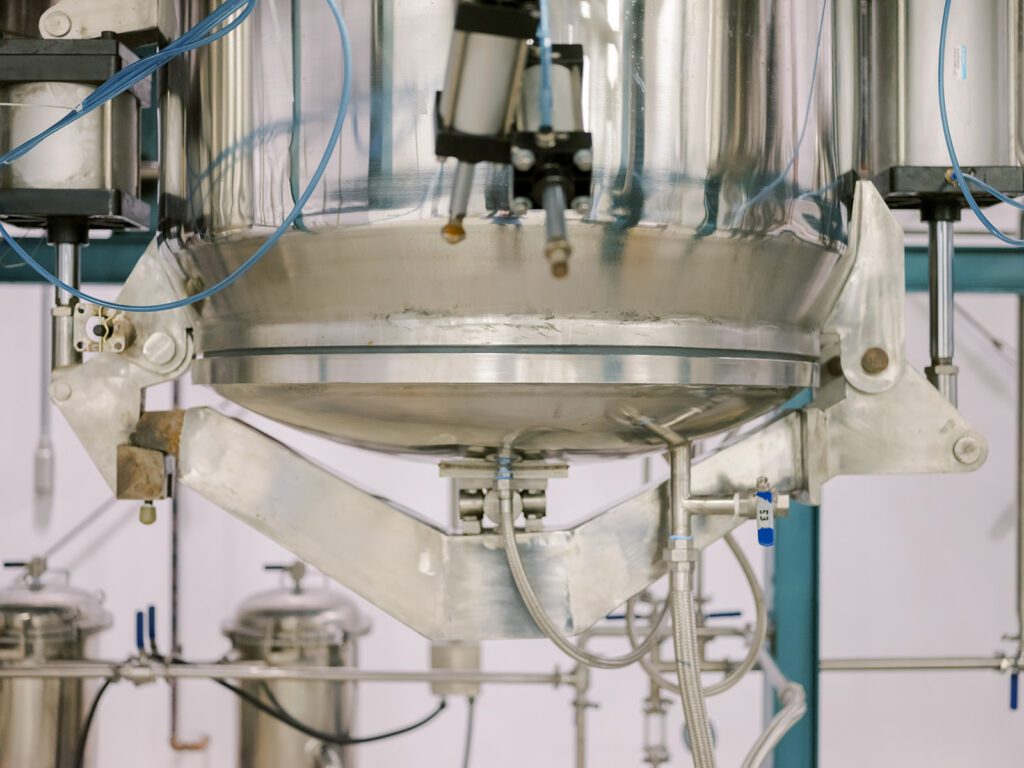
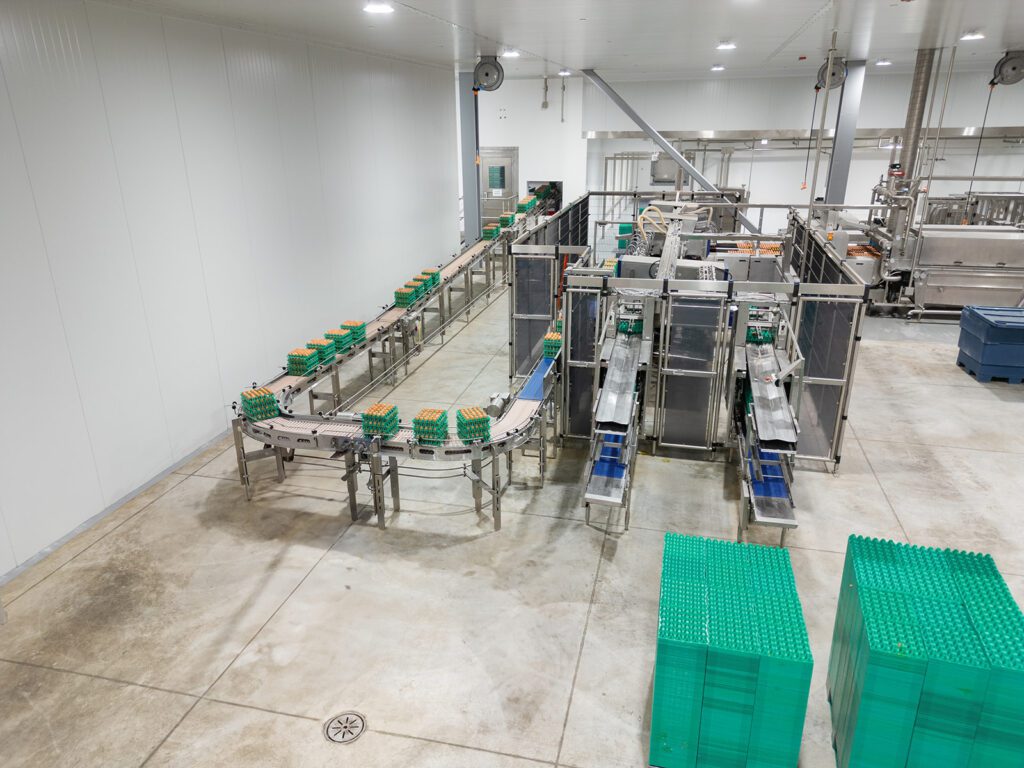
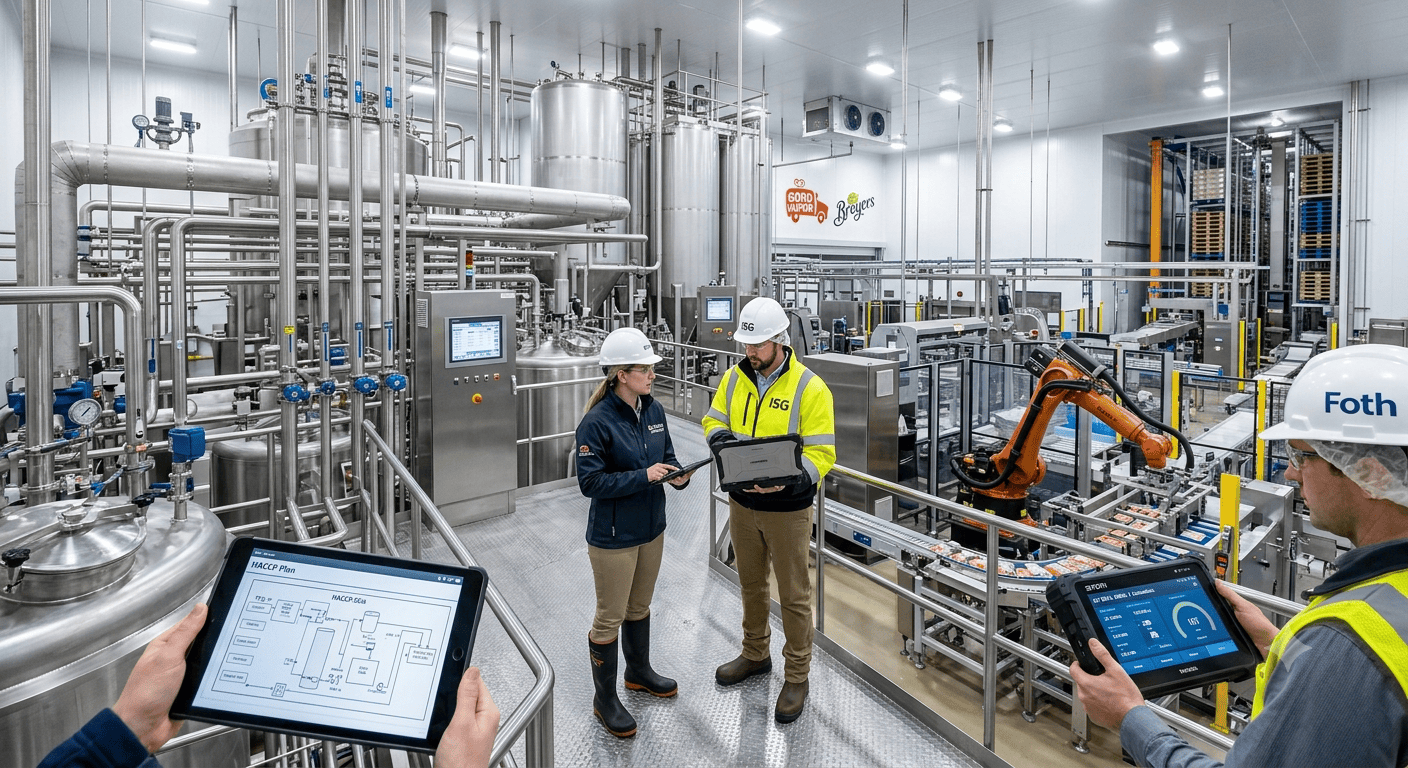
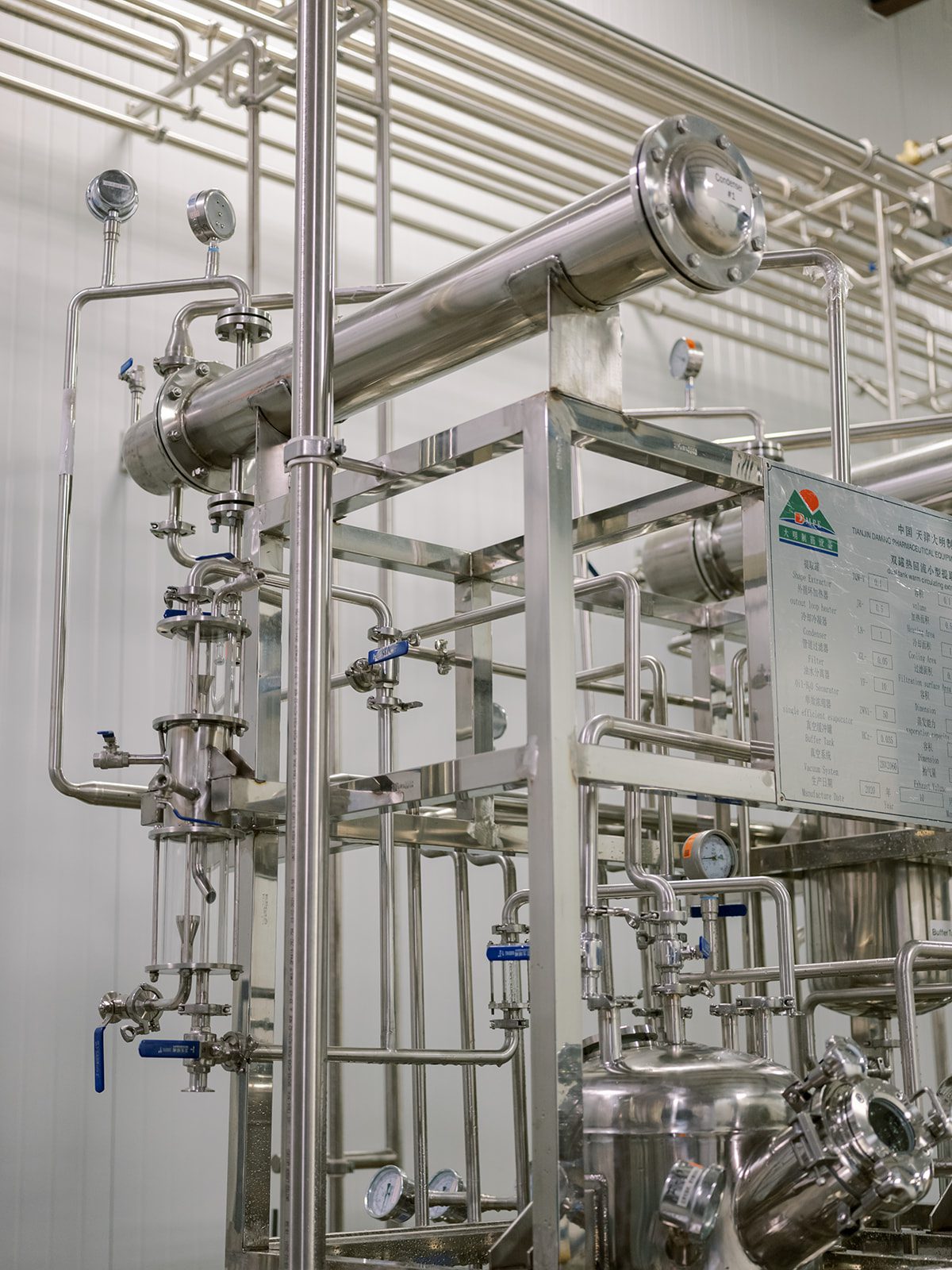
Helping clients in a variety of industries – from egg to pharmaceuticals – overcome processing plant challenges gives DeJong Operations Management & Consulting LLC the ability to bring new ideas and solutions to the table.
We use our cross-industry experience to quickly identify process issues and then push our clients to take a new approach, pilot new technology, or take a page from another industry’s book, all with a focus on ROI.
The ultimate goal of our operation is to provide our customers with an easy experience. That means people who answer your questions and calls, the ability to meet deadlines, solutions that bring ease, not more challenges, and production equipment that works as it’s supposed to.
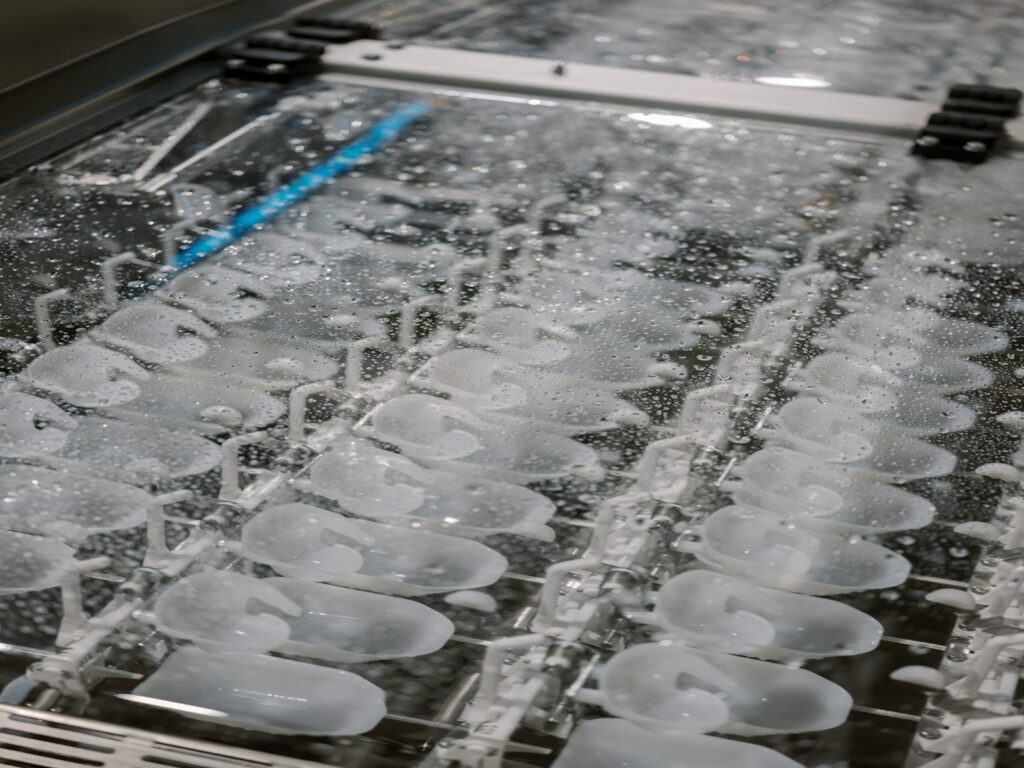
Looking to streamline your egg processing operations? Our team has extensive experience in building plants for egg processing, providing you with everything you need to handle and process eggs efficiently and effectively. Trust us to provide comprehensive solutions that meet all your egg processing needs.
Dairy Processing
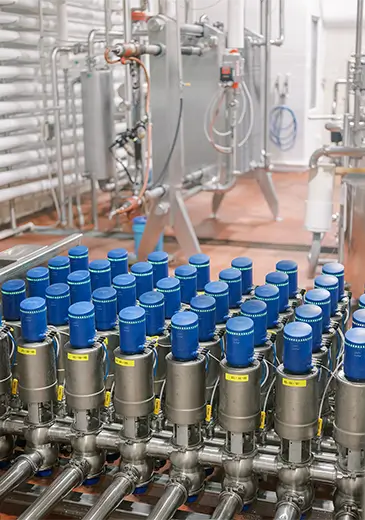
Looking to take your dairy business to the next level? Look no further than our comprehensive dairy solutions. Our team of experts is equipped to handle every aspect of the process, from collection to pasteurization and processing into the highest-quality packaged milk products. Trust us to help move your business forward in the dairy industry.
Food Processing
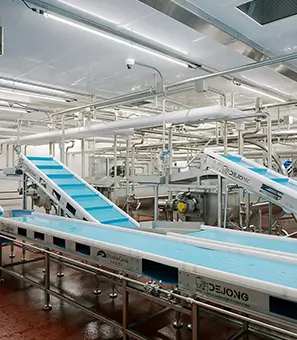
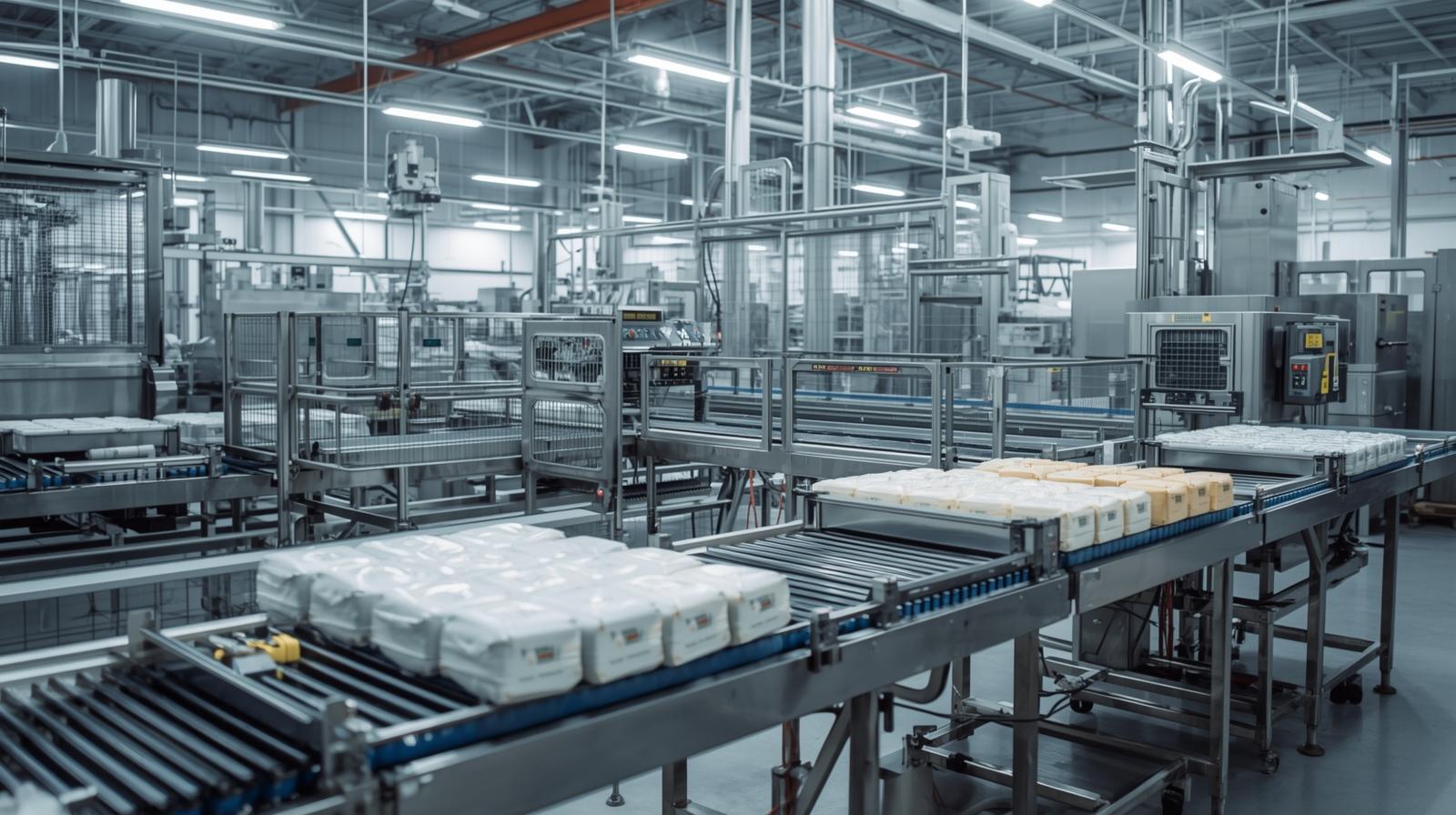
Transform your food manufacturing process with our comprehensive range of solutions, including plant optimization and turn-key builds. From concept to completion, we are your trusted partner for all your food plant manufacturing needs.
Biotech
Our expertise in designing nutraceutical and pharmaceutical plants for the safe handling of biological materials is becoming increasingly in demand. Don't miss out on the opportunity to partner with us and ensure that your facility meets the highest standards of safety and efficiency.
“That can’t be done.” This answer is never an option when production environments are faced with challenges. With a record of success, our motto is there is no job too big, too small or too complex that solutions cannot be developed for. From process audits through project completion, our services bring your plant solutions to life.
About DeJong Operations Management & Consulting LLC
DeJong Operations Management & Consulting LLC was established after a gap was identified – the need for flexible, dependable, and solutions-oriented resources who would develop plant designs, uncover efficiencies, share cross-industry insights, and provide process management for companies of all sizes. With 13+ years of experience working in the industry, the DeJong Operations Management & Consulting LLC team brings dedication and creative thinking to help solve customers’ process and plant operations challenges. There is no challenge too complex for our team to solve and no business too small for us to partner with.
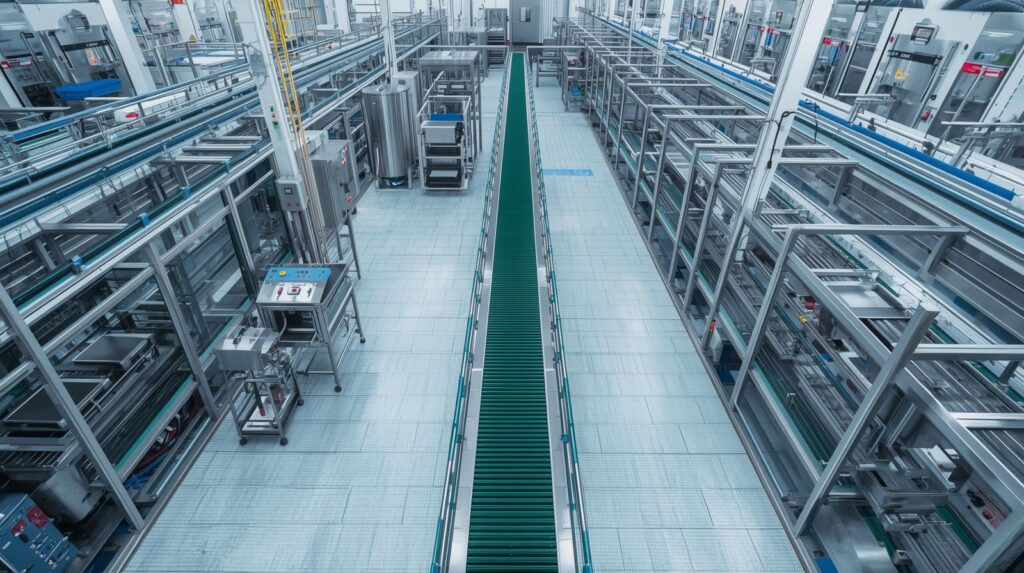
From plant and process design through sourcing, installation, and training, we can help maximize your plant’s productivity while leveraging your existing footprint.
Approachable
Don’t let the stainless steel fool you – this is a people business. It starts and ends with taking great care of our customers and communities each and every day. We treat others the way we would want to be treated. Say please and thank you, greet them with a firm handshake, and be quick with a laugh and a smile. We’re there for them when they need us. By working alongside them, we create amazing things together. We’re a joy to be around and a pleasure to work with, and we value and respect our clients’ time, facilities, and teams — and it’s a big part of why our customers invite us back job after job.
Innovative
We are a part of something bigger. We aren’t afraid to take the first steps into the unknown and to challenge the status quo. We use cross-industry experience to quickly identify process issues and find optimizations. We’ve built trust and shown we’ve got the know-how to push our clients to take a new approach, pilot new technology, or take a page from another industry’s book, all with a focus on ROI for the companies we serve.
Dauntless
We won’t let anything stand in the way of getting the job done. Challenges don’t scare us; they excite us. We do our homework, choose the best path, and make moves. We know we can out-think and out-hustle anyone, anywhere.
From process audits through project completion, our services bring your plant solutions to life. Specific services we offer our customers include:
Plant Design
With advanced knowledge of equipment solutions and systems, we can help develop and design your plant to maximize productivity while leveraging your existing footprint.
Effective operations management is crucial for business success, driving efficiency and growth. We specialize in optimizing all facets of operations for maximum impact.
Our extensive experience across various industries and advanced technical expertise allows us to help you launch new products faster, safer, and with greater scalability.
Once your solution is defined, we will take care of everything from sourcing to installation – and then we will assist your team in executing the plan, ensuring efficiency.
Our CIP systems offer resource-conserving cleaning processes for almost all sanitary plant systems, ensuring cleanliness and compliance with industry standards.
Optimizing sanitary process design in facilities enhances efficiency, compliance, and safety. Increase product quality while reducing your costs while preparing for future growth.
Guarantee the safety and integrity of your operations with our certified technicians, experts in sanitary piping installation. Perfect for industries that demand strict sanitary standards.
Customer Testimonials
I work with DeJong Consulting because of his industry knowledge, drive, and willingness to go the extra mile. Many consultants would prolong the problem to make extra money, but Michael does what it takes to get it done.
Dave Erlebach
Intrinsic Organics
DeJong Consulting will deliver as promised and has great integrity. I could think of no one else I would rather have spearheaded a project this critical and complex.
Please complete the form to provide us with details about your project, and we’ll be in touch. Or you can call us at (715) 201-2772 , and our specialists will provide the necessary help!
From the farm to the fork and from the store to the stove, food process engineering firms help feed the world.
The expertise that the following ‘Big 3’ firms provide is critical for food processing facilities to achieve hygienic conditions, regulatory compliance, and to ensure the high-quality treats and beverages that consumers have grown to love.
Food Manufacturing Trends in The United States
Production agility is necessary now more than ever in an uncertain food environment. Raw material costs are increasing, supply chains are wobbling, and tariffs create obstacles for manufacturers to overcome.
Food will always command a huge chunk of paychecks. US households allocated almost 13% of their budgets to food in 2024 — the third-largest expenditure after transportation and housing, according to the USDA.
Despite the supposed efficacy of the proverbial crystal ball, forecasting future trends may be impossible. So agility is essential. For example, an avian influenza epidemic in 2022 drove up egg prices in early 2025, resulting in a nearly 22% increase compared with 2024.
Finally, the global food culture is experiencing a seemingly permanent structural shift, as consumers crave convenience.
As a result, Future Market Insights projects that the global ready-to-eat (RTE) food market will surge from $213.92 billion in 2025 to $515.80 billion by 2035.
#1. DeJong Consulting LLC
DeJong Operations Management & Consulting LLC leads the way in dairy, egg, and liquid processing. We unite 15 years of industry experience and merge modern analytical methods to help clients maximize their return on investment (ROI).
At DeJong Consulting, we’re equally adept at helping food producers, whether they require remodeling, reconfiguration, or building a facility from the ground up.
A customer-first mentality employs evidence-based assessments to guide food production plants from RD to production, implementing skids and automated technologies to increase uptime and minimize errors.
Here’s one major money-saving method: rethinking cold storage facilities to capitalize on a rapid rise. The cold chain logistics market is expected to exceed $410 billion by 2028.
And in a tough regulatory environment, DeJong Consulting formulates Hazard Analysis and Critical Control Points (HACCP) plans tailored to each client’s facilities.
We also tackle the universal problems of food processing: the challenges of cleaning and of driving costs down efficiently without hurting quality.
There are areas where we have become leaders.
For example, we often step in for smaller companies when there is a shortage of specialized engineering expertise. Our crews are used to seeing our engineering go live and are attuned to where the math can be adjusted to meet real-world performance.
We’re also being called in to update outdated equipment and poor plant layouts. Addressing these concerns enables manufacturers to meet rising demand while optimizing materials and energy use, turning food facilities into eco-friendly powerhouses.
And, nothing would happen without robust sanitation standards to keep things clean. This includes integrating automated clean-in-place (CIP) systems and manual clean-out-of-place (COP) protocols to provide unmatched freshness in every sip.
#2. ISG Group
Founded in 1973, ISG is a multidisciplinary engineering firm. It serves clients nationwide across the food and beverage processing industry.
To support optimal manufacturing builds in dairy, poultry, and egg, ISG employs greenfield site selection. Construction analyses inform new plant builds. Alternatively, renovations enable existing facilities to pursue more varied production lines through the application of manufacturing best practices.
For example, ISG designed an 85,000-square-foot ice cream facility for the Good Humor-Breyers, a Unilever brand. This long-term partnership also led to the design of a 90,000-square-foot facility add-on to increase production capacity.
ISG is also currently partnering with Bel Group in a major, $200 million expansion of the Babybel® factory in Brookings, South Dakota. This project doubles the dairy processing factory’s size and production capacity while keeping it fully operational and modernizing its utility infrastructure.
ISG’s influence stretches from food factories to farms, thanks to the expertise endowed by its in-house permitting and environmental team. As a result, agricultural producers can get more of their products to consumers’ forks by optimizing handling and storing practices, adhering to CAFO, NPDES, and other regulatory standards.
A modern approach helps: Warehousing, distribution, and cold storage represent vital workflows that can be streamlined through automated storage and retrieval systems to accelerate warehousing, handling, and shipping processes.
It’s no surprise that we often collaborate with ISG as two powerhouse leaders in the industry.
#3. Foth
Since 1938, Foth has leveraged science, engineering, and tech innovations to supercharge food manufacturers’ ROI.
Infrastructure, environmental, and production capacity evaluations provide a blueprint to enact complex builds on tight schedules and resource constraints.
For example, by skillfully strategizing corporate governance and procurement standards, Foth helped secure millions of dollars in cost avoidance on a $30 million refrigeration project for a major U.S. food client.
Foth renovations are informed by big data analysis via IoT (internet of things) devices and other methods to improve clients’ sourcing, production, and distribution capacities — because keeping pace with capricious consumer demands is key to maintaining profitability and avoiding a major pitfall: lapsing into outdated legacy systems.
Additionally, Foth employs a proprietary Serial 1 Automation strategy, focused on customized, scalable automation solutions that transcend off-the-shelf ideas: an upgrade of a Wisconsin-based food producer’s historical line yielded a 20% increase in production speed and a tenfold reduction in product defects.
While there are a handful of companies to choose from in the food process engineering field, we at DeJong Consulting are proud to consistently be listed as a leading brand on new facility building projects.
At DeJong Consulting LLC we are proud to announce the acquisition of Metallum Welding, a nationally recognized provider of sanitary welding and stainless steel process piping services for the food and beverage industry. The acquisition expands DeJong’s ability to deliver complete design-build solutions for processing facilities across the United States.
The partnership combines DeJong Consulting’s expertise in food plant engineering and facility construction with Metallum Welding’s extensive experience in sanitary welding and hygienic system installation. Together, the companies will provide manufacturers with a more streamlined approach to designing, building, and upgrading FDA-compliant production facilities.
As food and beverage manufacturers continue investing in modernization and expansion, the need for integrated project delivery has become increasingly important. By bringing Metallum Welding into its operations, DeJong strengthens its ability to self-perform critical phases of construction while maintaining tighter control over quality, scheduling, and coordination throughout the life of a project.
Metallum Welding has earned a strong reputation for precision TIG welding, stainless steel pipefitting, and sanitary installations in highly regulated environments. The company has contributed to projects involving some of the most recognized names in food and beverage manufacturing, including Kraft, Chobani, Coca-Cola, PepsiCo, Red Bull, Tyson Foods, Fairlife, Coors, Borden, Wells Enterprises, Arcadia Beverage, Kedem Wine, Mars Candy, Sam Adams, and others.
The acquisition gives DeJong Consulting greater access to a highly experienced sanitary welding workforce capable of supporting large-scale facility construction, retrofits, and production line expansions. This added capability will help accelerate project timelines while supporting the sanitary standards required throughout the industry.
DeJong Consulting has built its reputation around the design and construction of sanitary processing systems that prioritize efficiency, compliance, and long-term operational performance. The company specializes in facility layouts, process engineering, food-grade piping systems, and complete plant development for food and beverage manufacturers nationwide.
Sanitary welding remains one of the most critical aspects of processing facility construction. Proper welding and piping practices are essential for maintaining hygienic conditions, protecting product integrity, and meeting strict food safety regulations. DeJong maintains rigorous quality expectations and follows 3A sanitary standards throughout its projects to help reduce contamination risks and improve system reliability.
With the addition of Metallum Welding, DeJong Consulting further positions itself as a comprehensive partner capable of supporting projects from concept and engineering through installation and final system integration. Clients will benefit from improved communication between engineering and field execution teams, creating a more efficient and accountable construction process.
The combined organizations are focused on supporting the future growth of America’s food and beverage infrastructure by delivering high-performance facilities designed for scalability, safety, and long-term production demands.
About DeJong Consulting LLC
DeJong Consulting LLC specializes in the engineering, design, and construction of sanitary processing facilities for the food and beverage industry. The company provides turnkey solutions focused on operational efficiency, compliance, and production performance.
About Metallum Welding
Metallum Welding provides sanitary welding, stainless steel piping, and hygienic system installation services for food and beverage processing facilities throughout the United States. The company is recognized for its precision workmanship and experience in high-compliance production environments.
Recently, we were contacted by a customer whose original contractor had estimated a $21 million build that, over 18 months, ballooned to nearly $38 million. They were struggling to make their ROI and P&L work based on costs that were still rising. Unfortunately, their experience is not a unique one in food manufacturing.
In this piece, we’ll outline practical cost-estimation practices that help food processing, nutraceutical, and other sanitary manufacturing projects avoid the kinds of budget failures that make ROI and P&L impossible to sustain.
The misconception that cost overruns are primarily construction problems obscures the real issue. Cost estimation in food processing is not clerical work. It is a primary engineering exercise that determines whether a project is viable long before the first piece of equipment is delivered or the first product is run.
In practice, most cost overruns do not come from construction errors or contractor performance. They come from incomplete or poorly structured estimates that fail to account for how food processing facilities actually function. Budgets are often anchored to equipment pricing, with a flat percentage added for “everything else,” even though that approach consistently underestimates real-world costs.
A more accurate way to think about food plant cost estimation is to separate the project into three primary cost buckets:
Facility build or preparation costs
Utility modification or installation costs
Equipment, controls, and programming costs
Every successful food processing project accounts for all three and understands how decisions in one bucket directly affect the others.
Facility Build or Preparation Costs
Facility costs include land acquisition or lease preparation, building construction or retrofit, floor loading, drainage, sanitary finishes, refrigeration spaces, warehousing, personnel areas, and regulatory compliance features. These costs are often underestimated when projects assume that an existing warehouse or shell building is “mostly ready” for food production.
In reality, food-grade construction imposes requirements that significantly exceed standard industrial space. Drainage, cleanability, insulation, floor/wall/ceiling treatments, structural support, and zoning or permitting constraints can drive costs well beyond initial expectations if they are not evaluated early.
Utility Modification or Installation Costs
Utilities are one of the most common sources of budget failure. Process equipment cannot function without adequate electrical capacity, steam generation, hot water, chilled water, refrigeration, compressed air, process water, and wastewater handling – not to mention that most facilities will also use either glycol or ammonia for their chillers.
Utility upgrades are frequently discovered late in the project, after equipment has already been selected, at which point costs become both unavoidable and expensive. In many food plants, utility infrastructure can cost as much as the processing equipment itself, especially in dairy, beverage, and ready-to-eat applications where sanitation loads are high.
Equipment, Controls, and Programming Costs
Equipment costs extend far beyond the purchase price of a pasteurizer, filler, processing line, or packaging solutions. Installation labor, piping, instrumentation, automation, programming, commissioning, validation, and operator training all contribute materially to the total cost.
Controls and programming are particularly prone to underestimation. Modern food facilities rely on automation for food safety, traceability, efficiency, and compliance. Treating controls as an afterthought rather than a core system often leads to delays, scope creep, and operational limitations once production begins.
Designing for Scalability
Many food processing facilities are intentionally designed with future expansion in mind. This may mean investing more upfront in any of the three cost buckets – oversizing utilities, strengthening building infrastructure, or selecting more flexible equipment and control systems.
These decisions are not errors; they are strategic choices. However, they must be accounted for explicitly during cost estimation. Facilities that plan for growth without budgeting for it often appear “over budget” when, in reality, they are simply under-modeled.
Cost Estimation as an Engineering Discipline
Robust cost estimation is not about pleasing an accountant. It is about staying operational, staying compliant, and staying in business. Successful processors treat estimation as an enabling engineering effort. In other words, they will use real data, prior operating experience, and realistic assumptions to build budgets that reflect how food plants actually run.
This is more than crunching numbers. It is a structured plan of action that aligns capital investment, operating cost, and long-term strategy. Poor estimation does not just slow a project down; it actively works against success.
Why Most Food Plant Budgets Fail Before Construction Begins
Food plant budgets rarely fail because a single number was wrong. They fail because no one ever assembles a cohesive, system-level view of the process early enough to understand where the pricing levers actually matter.
At the outset of most projects, cost estimation is fragmented. Equipment manufacturers quote to their own internal specifications. Engineering firms create estimations scoped within narrow disciplines. Utilities are estimated with rules of thumb. Packaging, labor, and sanitation impacts are deferred until later phases. As a result, no one is responsible for understanding how decisions in one part of the process cascade into costs elsewhere.
This creates a fundamental dilemma: projects are priced before they are understood.
It is common to see facilities overspend heavily on automated or high-spec equipment in one area of the process while leaving adjacent steps manual, labor-intensive, or operationally constrained. In other cases, portions of a facility are designed to “high-care” or hygienic standards that are not actually required for the product risk profile, driving unnecessary building, HVAC, and sanitation costs. Conversely, attempts to save money in packaging or material handling often create massive downstream labor and efficiency penalties that were never modeled at the budget stage.
These tradeoffs are difficult to see without a 10,000-foot view of the entire process. Packaging decisions affect labor. Sanitation class affects utilities. Utility availability affects equipment selection. Equipment selection affects building layout. Building layout affects material flow and staffing. Yet in early-stage budgeting, these relationships are rarely evaluated together.
The problem is compounded by the way projects are quoted. Equipment vendors price individual machines in isolation. Engineering firms work within siloed scopes. There is no shared specification, no apples-to-apples basis for comparison, and no unified model tying square footage, utilities, equipment, controls, labor, and sanitation together. Everything is estimated independently, often using assumptions that conflict with one another.
By the time these conflicts surface, typically during detailed design or early construction, the project is already committed. At that point, costs don’t increase because something went wrong; they increase because reality finally replaces guesswork.
The projects that avoid this outcome are not those with the lowest initial budgets. They are the ones that establish a system-level cost model early, understand where flexibility exists, and make deliberate choices about where to invest and where not to. Without that perspective, even well-intentioned estimates are little more than optimistic placeholders, and budget failure is only a matter of time.
Fixed Capital Costs: The Money Needed Prior to Day One
As a startup begins project planning, fixed capital cost is often estimated by anchoring the budget to the purchase price of processing equipment. While this approach is common, it is also one of the most consistent sources of underestimation in food manufacturing projects.
In practice, the purchase cost of equipment typically represents only 40–50% of total fixed capital investment. The remaining cost is driven by everything required to make that equipment operable within a real facility: installation labor, piping, electrical distribution, controls integration, building modifications, utilities, and engineering.
Even before a facility ever runs product, acquisition cost tells only part of the story. Installation, commissioning, infrastructure, controls integration, and supporting systems all require capital investment prior to startup. When these are included, the fixed capital committed to a piece of processing equipment can be several times its purchase price. This is why pre-Day One cost estimation must account for the full capital burden required to make equipment operable, not just vendor quotes.
We routinely see this disconnect happen in real projects. In a recent case, a client budgeted approximately $3 million for processing equipment based on supplier pricing. Once instrumentation, facility modifications, utilities, controls, and engineering were fully accounted for, the actual fixed capital investment associated with that equipment exceeded $7.4 million. Nothing went wrong; it was just that the original estimate simply never reflected the full scope of what the equipment required to operate.
A realistic fixed capital estimate for a food processing facility typically includes the following categories:
Land acquisition or site control
Building construction or retrofit for food-grade use
Refrigeration and other critical facility systems
Main processing and packaging equipment
Installation labor and materials
Process piping for water, steam, CIP, and sanitation
Electrical infrastructure and power distribution
Site development and utility services
Engineering and design fees
Contractor and construction management costs
Contingency appropriate to project risk
Start-up capital is fundamentally about enabling production, not just purchasing assets. The accuracy of a fixed capital estimate depends on how well these categories are understood, scoped, and integrated early in the project.
Location, labor availability, regulatory environment, and supply-chain conditions all materially affect fixed capital costs. A facility built in a rural area with limited skilled labor will face different cost pressures than one constructed near an industrial center. Ignoring these variables at the estimation stage does not make them disappear; it simply defers their impact until the project is already committed.
Accurate fixed capital estimation requires more than unit costs and square footage assumptions. It requires an understanding of how equipment, utilities, construction, and operations intersect in the real world.
Bridging this gap requires data. At DeJong Operations Management & Consulting, we have broad experience that has led us to recognize the need to provide guidance that can prevent the vast majority of missteps in the ‘budgetary phase’.
Cost Estimation For Food Processing Plants
Conceptual Engineering Comes First
Before hard and soft costs can be estimated with any reliability, the project must first be understood at a conceptual level. Without this step, early budgets are little more than educated guesses assembled from disconnected assumptions.
Conceptual engineering is the process of defining what the facility is actually intended to do at a system level before committing to detailed design or construction. This work is intentionally non-buildable. Its purpose is not to generate permit-ready drawings, but to create a cohesive technical and operational model that allows meaningful cost prediction.
At this stage, conceptual engineering typically includes high-level facility layouts, preliminary process flow diagrams and P&IDs, equipment lists, utility demand projections, staffing and labor assumptions, and overall production logic. In some cases, it also includes site-specific evaluations to determine whether a particular building or location can realistically support the intended process.
This work is usually performed with a relatively modest investment of engineering time (often on the order of 100 to 200 hours), yet it establishes the framework that all subsequent cost decisions depend on. More importantly, it exposes tradeoffs early, when they can still be addressed inexpensively: automation versus labor, sanitation class versus building cost, utility intensity versus operating expense, and scalability versus upfront capital.
Without this step, cost estimation efforts tend to fragment. Equipment is priced without a shared specification. Utilities are estimated without a defined load profile. Labor is modeled without understanding the process flow. The result is not a single bad assumption, but dozens of small ones that compound into a major budget failure.
Conceptual engineering does not eliminate risk, but it dramatically reduces uncertainty. It creates a common reference point that allows hard and soft costs to be evaluated in context, which is essential before any serious financial commitment is made.
With a conceptual engineering model in place:
Equipment manufacturers can be engaged on a common basis, allowing budgetary quotes to be compared directly against consistent scope, performance, and deliverables.
Municipalities and state agencies can be engaged (if applicable) with sufficient detail to forecast utility loading, job creation, and land use, and to meaningfully discuss grants, incentives, or other development support. At a minimum, funding conversations can be pursued effectively.
Facility sizing, future expansion, and design constraints can be evaluated intentionally, enabling informed decisions around scalability, building footprint, and long-term flexibility.
Operating Costs: The Expenses That Determine Whether the Plant Survives
Fixed capital determines whether a project can be built. Operating costs determine whether it stays alive.
Once production begins, food manufacturers incur a continuous stream of expenses that do not stop when the ribbon is cut. These costs are often discussed late in the project, treated as accounting artifacts, or estimated using broad percentages. That approach is one of the most common reasons facilities that look profitable on paper struggle or fail once they begin operating.
Operating costs are not secondary to capital costs. In many food processing facilities, annual operating expenses can approach or exceed the total fixed capital investment within only a few years of operation. Small errors in operating cost assumptions compound quickly, directly impacting margin, cash flow, and long-term viability.
A reliable operating cost model must be grounded in how the plant actually runs, not in generalized industry averages.
Variable Production Costs Are Process-Driven, Not Percentage-Driven
Variable costs scale with production, but they do not scale linearly or predictably unless the process itself is well understood. The largest contributors typically include raw materials, utilities, direct labor, sanitation, consumables, and waste handling, but the relative importance of each varies dramatically by product type, process design, and sanitation requirements.
The most common mistake in estimating variable costs is anchoring them to a single output metric (such as cost per pound) without understanding why those costs exist. In reality, variable costs are the consequence of decisions made during conceptual and subsequent formalized (buildable) process engineering design:
Product formulation determines raw material exposure and commodity risk
Sanitation class and design drive water, chemical, steam, and labor consumption
Line speed and changeover strategy dictate labor efficiency and downtime
Equipment selection determines yield loss, rework, and scrap rates – along with, surprisingly, total work-force engagement
Specifically, in a food or dairy processing facility, most equipment can be either automated or manual. Automated equipment costs more initially but tends to reduce labor exposure. Manual equipment costs less initially but tends to add labor exposure. The reality is that almost no facilities are ‘fully’ automated. In DeJong’s experience, there is a ‘sliding scale’ that determines the precise level at which a facility can absorb initial costs while still allowing for a sustainable workforce in its ongoing operation.
Without explicitly modeling these relationships, operating cost estimates are little more than optimistic placeholders.
Raw Materials: A Dominant Cost That Sets the Ceiling, Not the Strategy
Raw materials are typically among the largest operating costs in food manufacturing, but they are also one of the least discretionary. Unlike labor, utilities, or throughput efficiency, material costs are largely dictated by external factors rather than by facility design or operational excellence.
For most processors, raw material cost is not where profit is created. It represents the cost of participation in the market and establishes a hard ceiling on achievable margin. Commodity pricing, ingredient availability, packaging markets, supplier concentration, transportation distance, and contract structure exert far more influence over material cost than day-to-day plant decisions. While procurement strategy and supplier negotiation matter, they tend to shape exposure at the margins rather than fundamentally alter the cost structure.
From a modeling perspective, the risk is not that raw material cost is overlooked. In our experience, it rarely is. The risk is that it is treated as a fixed input rather than as a bounded variable shaped by yield, losses, and operational realities.
Material cost exposure is not defined by nameplate throughput or theoretical formulation. It is defined by how material actually moves through the process: startup scrap, changeovers, yield losses, rework, quality holds, and process instability. Two facilities producing the same product at the same nominal rate can experience materially different effective material costs based on integration quality, control stability, and downtime behavior. These differences are not theoretical; they accumulate quietly and persistently over time.
Equally important, material pricing should be modeled as a range rather than a point estimate. Relying on current spot prices without accounting for historical volatility, supply-chain fragility, or contract timing creates a false sense of precision. This is not a failure of procurement; it is a failure of modeling. A realistic operating model acknowledges uncertainty and bounds it explicitly rather than assuming it away.
The purpose of raw material cost modeling is not to “optimize” ingredients or redesign formulations. It is to correctly represent exposure so that downstream decisions (equipment selection, sanitation strategy, line speed, and staffing) are evaluated against realistic economic constraints. When yield loss and scrap are under-modeled by even a few percentage points, the resulting error can overwhelm gains achieved elsewhere in the system.
In short, raw materials are usually not the lever that makes a plant profitable, but they are the constraint that defines the playing field. Accurate cost modeling treats them accordingly: as a dominant, largely external cost that must be represented honestly so that efficiency, reliability, and small operational wins can be evaluated in their proper economic context.
Utilities: Where Design Decisions Become Permanent Expenses
Utility costs are among the most consistently underestimated operating expenses in food plants, largely because they are treated as static line items rather than as outcomes of engineering choices.
Electricity, steam, hot water, chilled water, refrigeration, compressed air, process water, and wastewater handling are not independent costs. They are tightly coupled to sanitation strategy, equipment thermal efficiency, production scheduling, and facility layout.
A facility designed without a clear utility load profile will often discover (after startup) that energy consumption bears little resemblance to early estimates. At that point, costs are locked in. Unlike labor or materials, utility inefficiencies are extremely difficult to correct once infrastructure is installed.
Energy recovery, heat integration, and load leveling can materially reduce operating expenses, but only if they are considered early enough to influence design. Treating these opportunities as “future optimizations” almost always means they never happen.
Labor: The Cost Everyone Simplifies and Then Pays For
Labor cost estimation routinely fails because it is reduced to headcount multiplied by wage rate. In reality, labor cost is driven by process flow, material handling, automation level, sanitation burden, and changeover frequency.
Nominal shift length is not productive time. Sanitation, meetings, startup, downtime, and quality interventions all consume labor hours that do not produce a sellable product. Facilities that ignore this reality frequently understate labor needs while overestimating throughput.
Separating direct labor from indirect labor is necessary, but insufficient. Maintenance staffing, quality personnel, sanitation crews, supervisors, and logistics support are not optional add-ons; they are structural requirements of regulated food production.
Labor efficiency is designed into a facility long before the first operator is hired. Poor layout, excessive manual handling, and fragmented automation create permanent labor penalties that no amount of management pressure can overcome.
Maintenance, Reliability, and the Cost of Downtime
Maintenance is often treated as a fixed percentage of capital investment. In practice, maintenance cost is a function of equipment reliability, operating severity, sanitation exposure, and spare parts strategy.
Facilities with aggressive sanitation regimes, thermal cycling, or corrosive environments will experience materially higher maintenance demand than light-duty operations, regardless of capital value. Conversely, facilities that invest appropriately in reliability often see lower total cost of ownership despite higher upfront equipment cost.
The most damaging maintenance cost is not the repair itself, but the unplanned downtime it causes. Lost production, scrap, overtime, and missed orders routinely dwarf the direct cost of parts and labor.
A credible operating model accounts for realistic uptime, not best-case availability.
Overhead, Compliance, and the Costs That Don’t Show Up on Quotes
Food manufacturing carries regulatory, insurance, and compliance costs that do not scale neatly with production. Environmental permitting, wastewater treatment, food safety programs, recordkeeping, audits, and inspections all impose ongoing expenses.
Waste handling and disposal are increasingly significant, particularly in regions with strict environmental regulations. Byproduct management, wastewater surcharges, and disposal logistics can materially affect operating costs if not modeled early.
These costs are rarely captured by vendor quotes or construction budgets, yet they persist for the life of the facility.
Why Operating Cost Errors Are More Dangerous Than Capital Overruns
Capital overruns hurt once. Operating cost errors hurt every day.
A facility that misses its operating cost assumptions by even a modest margin may appear profitable during early ramp-up, only to see margins collapse once production stabilizes. Because operating costs recur continuously, small modeling errors compound into existential threats.
This is why operating cost estimation cannot be separated from conceptual engineering. Throughput, sanitation, automation, utilities, labor, and yield must be modeled as a single system. Estimating them independently guarantees conflict.
From Estimation to Control: Designing for Predictable Economics
Facilities that perform well financially do not rely on hope or averages. They design for predictability.
That means:
Modeling yield loss instead of assuming perfection
Designing utilities for real loads, not nominal ones
Aligning automation strategy with labor economics
Matching sanitation class to actual product risk
Understanding how changeovers affect cost and capacity
When these factors are addressed early, operating costs become manageable and controllable. When they are deferred, they become surprises – and surprises are expensive.
When Expert Modeling Becomes Essential
Food processing plants are not generic manufacturing facilities. They are tightly regulated, sanitation-intensive systems where small design choices create permanent economic consequences.
The organizations that succeed do not guess at operating costs. They build system-level models grounded in real operating experience, validated data, and disciplined engineering judgment.
At DeJong Operations Management & Consulting, operating cost modeling is treated as an extension of conceptual engineering, not as an accounting exercise. By integrating process design, utilities, labor, and sanitation into a unified model early, clients gain visibility into where money is actually made (or lost) before committing capital.
Getting operating costs right is not about precision for its own sake. It is about ensuring that once the plant is built, it can actually do what it was designed to do: operate profitably, sustainably, and predictably in the real world.
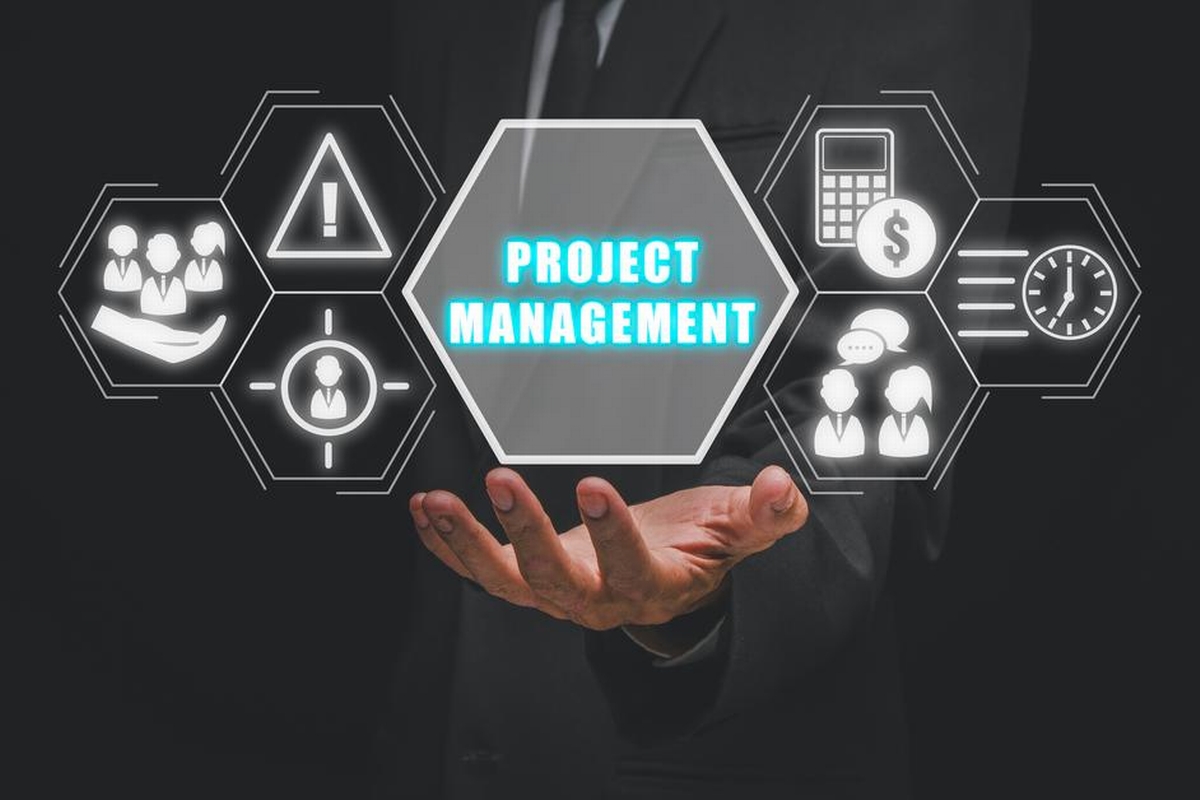
In the ever-evolving world of project management, adaptation and evolution are vital to success. As businesses strive for maximum efficiency and flexibility, hybrid project management (PM) strategies have become a dynamic solution that bridges traditional methods and agile practices. As a trusted name in business consulting and project management, DeJong Consulting explores how organizations can effectively implement hybrid PM approaches, the benefits they provide, and best practices for managing projects in this new paradigm.
Understanding Hybrid Project Management
Hybrid project management is not merely a blend of traditional project management and agile methodologies; it’s a comprehensive framework designed to combine the strengths of both approaches to maximize project effectiveness. The fusion of stability and adaptability makes hybrid PM uniquely suited for today’s complex project environments.
The Advantages of Hybrid Project Management
Flexibility in Approach: Hybrid project management allows teams to choose methodologies that suit their specific project constraints. This flexibility fosters creativity and innovation, as team members can select the components of each methodology that best address the project’s needs.
Enhanced Stakeholder Engagement: Involving stakeholders throughout the project is crucial for success. The agile components of hybrid PM promote ongoing feedback and collaboration, ensuring that stakeholder needs are met swiftly.
Improved Risk Management: The nature of agile practices provides teams with the tools to identify and mitigate risks more effectively than traditional methods.
Increased Efficiency: By consolidating tasks and processes from both methodologies, teams can streamline operations, eliminating redundancies and optimizing workflows. This increased efficiency often results in shorter project durations.
Cultural Shift: Embracing a hybrid approach fosters a culture of trust, accountability, and resilience across teams. Networking and collaboration are enhanced, leading to improved morale and productivity.
Implementing Hybrid Project Management
To successfully adopt a hybrid project management approach, organizations must undertake several key steps:
Assess the Project’s Nature and Context: Each project is unique. Success begins with a thorough assessment of the project’s requirements, stakeholders, and constraints. Take the time to evaluate:
The project’s goals and objectives
Stakeholder expectations and feedback mechanisms
Team dynamics and skills
Time constraints, budget, and resources
Define a Custom Framework: Once the assessment is complete, the next step is to create a tailored framework that combines different methodologies.
Train Your Team: Successful transition to hybrid PM strategies requires training and development. Teams must be well-versed in both project management methodologies to leverage their strengths effectively.
Set Clear Communication Protocols: Smooth communication is vital in hybrid projects, given that team members may be operating under varying methodologies. Implement communication protocols that promote transparency, collaboration, and feedback.
Establish Key Performance Indicators (KPIs): Defining KPIs helps track project performance and success. Different methodologies have varying approaches to measuring performance; therefore, it’s important to create KPIs that align with your hybrid model.
Conclusion: The Future of Project Management
As the nature of work continues to evolve, hybrid project management stands out as an innovative solution that meets the demands of today’s dynamic project environments.
Organizations ready to embrace hybrid project management will find that they are better equipped to navigate challenges, engage stakeholders, and drive success for their businesses.
By understanding the components, benefits, and best practices for hybrid project management, companies can position themselves for success in an increasingly complex marketplace.
Are you ready to elevate your project management approach? Contact DeJong Consulting today to transform your PM strategies and embrace the future with confidence.
In today’s dynamic business landscape, the demand for effective leadership has never been greater. Modern organizations are increasingly recognizing that developing the next generation of leaders is essential to navigating the complexities of the global market.
At DeJong Consulting, we understand that fostering modern leadership is not just a necessity; it is an investment in success. In this blog post, we explore the importance of leadership development and outline effective strategies for organizations to help develop change-makers.
Strategies for Effective Leadership Development
To cultivate emerging leaders, organizations must adopt comprehensive and strategic approaches tailored to the specific needs of their workforce. Here are some effective strategies for leadership development:
Comprehensive Training Programs
Organizations should implement training programs that offer a blend of formal learning and experiential opportunities. Such programs should incorporate key leadership competencies, including emotional intelligence, decision-making, conflict resolution, and strategic thinking.
Coaching and Mentorship
Establishing mentorship relationships can provide leaders with valuable insights and guidance. Pairing aspiring leaders with seasoned professionals can enhance skill development and provide networking opportunities.
Foster a Culture of Feedback
Creating an environment where feedback is not only accepted but encouraged is vital for leadership development. Organizations should promote regular performance reviews and peer feedback sessions. Constructive feedback helps leaders identify their strengths and areas for improvement.
Embrace Diversity and Inclusion
Diversity in leadership strengthens organizational decision-making by providing different perspectives and experiences. Organizations should actively promote diversity in their leadership development programs and create an inclusive environment where all voices are heard.
Support Continuous Learning
Encouraging a culture of lifelong learning is essential for leadership development. Organizations can support this by providing access to industry conferences, workshops, online courses, and certifications relevant to their employees’ career growth.
Building a Leadership Development Framework
Creating a leadership development framework requires a systematic approach. Here are key components organizations should consider incorporating into their framework:
Define Leadership Competencies
Each organization should define the leadership competencies that are crucial for its success. Common competencies might include strategic vision, emotional intelligence, communication skills, and adaptability.
Set Clear Objectives
Organizations should identify what they hope to achieve through their leadership development programs, whether it is improving team performance, enhancing employee engagement, or preparing for future challenges.
Tailor Programs to Suit Needs
Recognizing that one size does not fit all, organizations should tailor their programs to meet the unique needs of their workforce. This can include offering different tracks for senior leaders versus emerging talent, or customizing modules based on departmental needs.
Measure and Evaluate Success
Implementing metrics to gauge the success of leadership development initiatives is important. Measuring effectiveness can help organizations determine the impact of their programs on employee performance, engagement levels, and overall business outcomes.
Cultivate a Supportive Environment
Leadership development thrives in an environment that supports risk-taking and learning from failures. Organizations should strive to create a psychologically safe workplace where employees feel empowered to express their ideas and opinions.
Conclusion: Shaping the Future of Leadership
Leadership development in modern organizations is an ongoing journey rather than an isolated event. As industries evolve, the skills and capabilities of leaders must also adapt to meet emerging challenges.
At DeJong Consulting, we recognize the potential in every leader and are committed to harnessing that potential. We believe that the leaders of tomorrow must be equipped today with the skills, mindset, and support necessary to navigate an ever-changing world.
Through strong partnerships and innovative solutions, we can empower organizations to create a legacy of leadership that drives positive change for years to come.
At DeJong Consulting LLC we are proud to announce the acquisition of Metallum Welding, a nationally recognized provider of sanitary welding and stainless steel process
Last month, a snack manufacturer came to us after they’d already started construction. Their original budget? $8 million. Actual cost? Nearly $12 million.