

We are past the days of food safety being a trial-and-error, discover-it-as-you-go approach. The Food Safety Modernization Act (FSMA) has reshaped that philosophy.
It created legal requirements to prevent contamination, identify hazards, and document processes. FSMA was signed into law in January 2011, marking the largest reform of the U.S. food safety laws in nearly seven decades. Suddenly, the mindset became one of preventive measures and traceability.
This is a good thing for the industry, but it also means that we need to work food safety into the process design rather than waiting until after everything is finalized to figure out how to incorporate it.
For food manufacturers, this means adjusting how you think about facility layout, equipment, suppliers, sanitation, employee workflow, transportation, and, of course, paperwork. Every portion of your plant and process should work together to meet the required standards.
What Is the Food Safety Modernization Act?
The Food Safety Modernization Act is a federal law that broadens the FDA’s ability and authority to prevent and respond to food safety problems.
The mission of the act is to prevent foodborne illness, rather than contain it after an outbreak happens. It was a crucial move towards risk-based preventive controls that shaped the food industry into what we know now.
FSMA built a lot of new rules and strengthened some old ones that deal with produce safety, imported food, sanitary transportation, third-party certification, and other aspects of food manufacturing. Altogether, it extends across farms, food facilities, transportation providers, suppliers, and importers to clean up and modernize the entire supply chain.
There is some wiggle room within the FSMA. Not every business has to meet every regulatory requirement. The rules you face depend on what food you produce, what happens at your facility, the size of your business, and any relevant exceptions. It is much better to understand FSMA and how it applies to your business before doing any major development or overhauls.
Preventive Controls Are at the Heart of FSMA
You can’t understand FSMA if you don’t understand preventive controls. Under the Preventive Controls for Human Food rule within FSMA, facilities in that field must have a written food safety plan that includes a hazard analysis and a plan of action.
A hazard analysis typically looks for “known or reasonably foreseeable hazards,” including biological, chemical, and physical hazards that apply to your facility and products. The following plan must have preventive controls for any pertaining hazards, which looks like identifying and implementing measures to “significantly minimize or prevent” hazards.
That’s a complex way of saying that you need clear processes in place to control contamination.
This hazard analysis is crucial to the development of your food safety plan. The first step is to review the full production process, including supplies, processing equipment, allergens, employees, storage, packaging, the environment, and more. Every detail must be reviewed so that all potential hazards can be identified and accounted for before products leave the building.
It’s not as overwhelming as it sounds. The purpose of a food safety plan is not to imagine everything that could possibly go wrong. We just need to identify the present or likely hazards so we can do our best to prevent them.
This could mean pathogen contamination, improper cooling or cooking, incorrect labeling, contaminated raw ingredients, or sanitation problems, to name a few. Once we identify those risks, we can build preventive measures into the processes. There is also an undeniable link between this hazard analysis and facility design.
Facility Design Can Make FSMA Compliance Easier
The physical layout of the facility has a massive impact on food safety. Consider, for one moment, raw ingredients that are constantly crossing the paths of finished products, or employees moving freely between sanitation zones without the proper steps being taken.
Good food plant engineering identifies those risks before the equipment is bolted into the ground. If possible, we identify them before the building is constructed; that way, we can plan the most efficient, food-safe layout.
If you take FSMA into account from the conception of the facility, it’s much easier to consider a major expansion. Essentially, everything is ready and able to support growth, rather than holding you back with logistical question marks.
Sanitation Is a Preventive Control, Not Just a Cleaning Task
Sanitation is one of the most important parts of any food safety system. The question isn’t whether or not your equipment looks clean at the end of a sanitation cycle; it’s whether or not your equipment is properly sanitized.
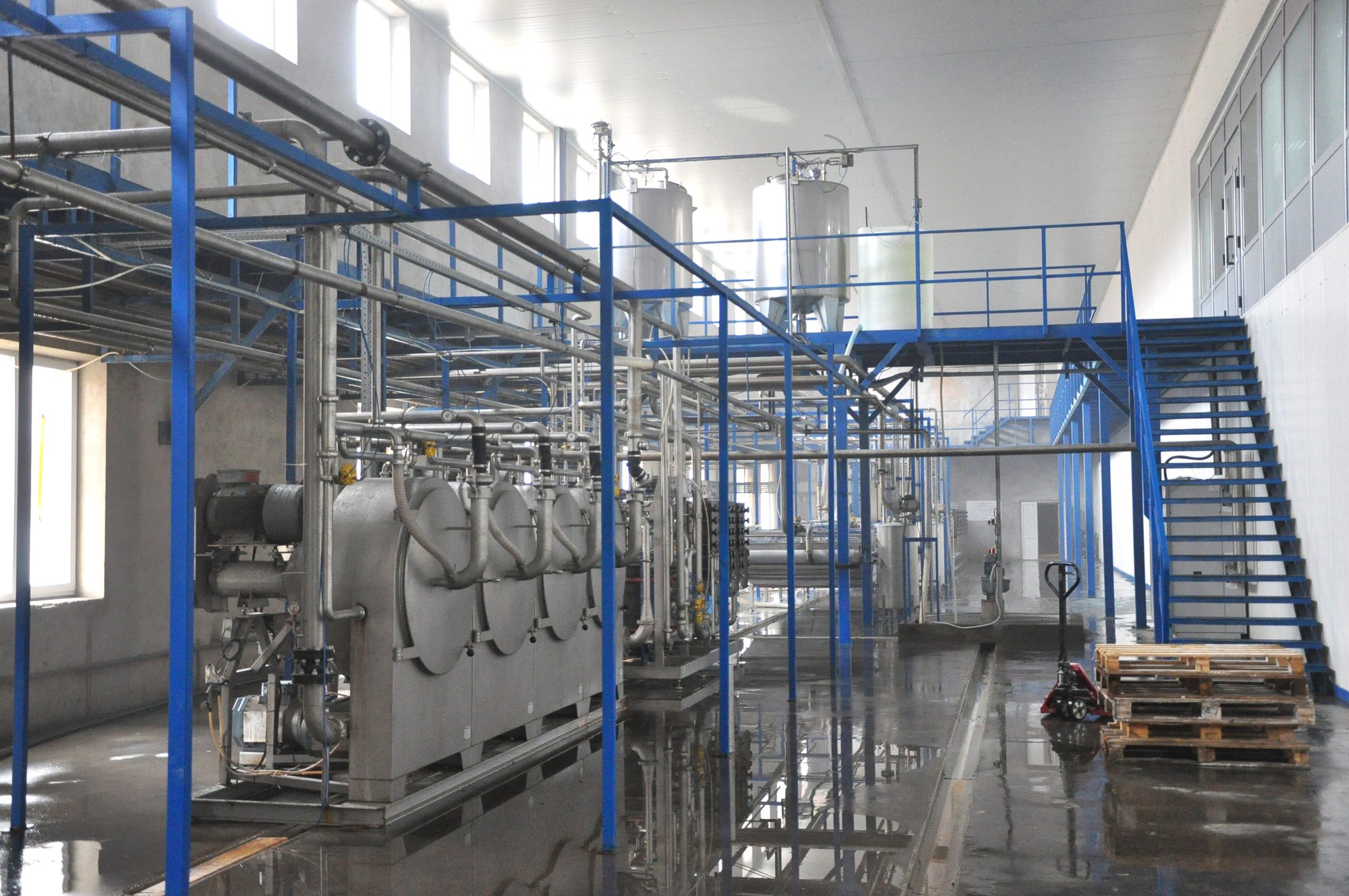
Cleaning programs have to be able to control the hazards that were identified in your hazard analysis. This means equipment must be accessible for cleaning (either manually or through a Clean-In-Place system), sanitary process piping must be done well, and floors and drains must support excess water and washdowns without puddling into standing water.
Sanitation specifics depend on your niche, but FSMA’s prevention approach is universally applicable.
Suppliers Are Part of Your Food Safety System
Food production isn’t as simple as it used to be. There are complex supply chains around every corner, each of which can include hazards that you have to control.
If your hazard analysis identifies a hazard requiring a preventive control and that control will be applied in the supply chain, you may have to establish and implement a risk-based supply-chain program. This can include approving suppliers and conducting appropriate supplier verification steps.
If you’re working with imported goods, you also have an additional layer of protection through the Foreign Supplier Verification Program (FSVP), which applies to international importers and can include audits, sampling, testing, and reviewing food safety records.
FSMA extends beyond your facility, which benefits your business because it requires preventive controls from the people you will inevitably work with.
Produce Safety Extends Prevention Back to the Farm
FSMA has established science-based minimum standards for certain produce that is grown for human consumption. The Produce Safety Rule has aspects that apply to growing, harvesting, packing, and holding produce for shipment.
The Produce Safety Rule adds preventive controls earlier in the food supply chain, which is very helpful, but manufacturers still need to understand their responsibilities. Depending on the hazard and where it is controlled, your receiving facility may need to approve suppliers, perform verification activities, maintain records, or take corrective action. Compliance at the farm level unfortunately doesn’t automatically eliminate responsibilities farther down the supply chain.
Real-World Application
Whether you’re building a facility from the ground up or looking to expand, FSMA needs to be built into your processes. Because of this act, it’s the only reasonable way to approach food safety.
Working with professionals who understand how food-safety requirements affect facility and process design can help you identify potential problems early and build food safety into the project. At DeJong, we’re ready to work with you to implement preventive controls and plan for the future at the same time. Don’t wait until something goes wrong before you get in touch.